Finest Fish Deboning Knives: Our 2026 Selection Guide
Picking the appropriate filleting knife is vital for any angler trying to upgrade their fish preparation skills. The choice rests on several factors, including blade material, handle comfort, and overall flexibility. Each element plays a major role in delivering precision during filleting. As anglers examine various options, understanding the balance between budget and premium choices becomes critical. What features should one target to guarantee an superior fishing experience? The answer lies ahead.
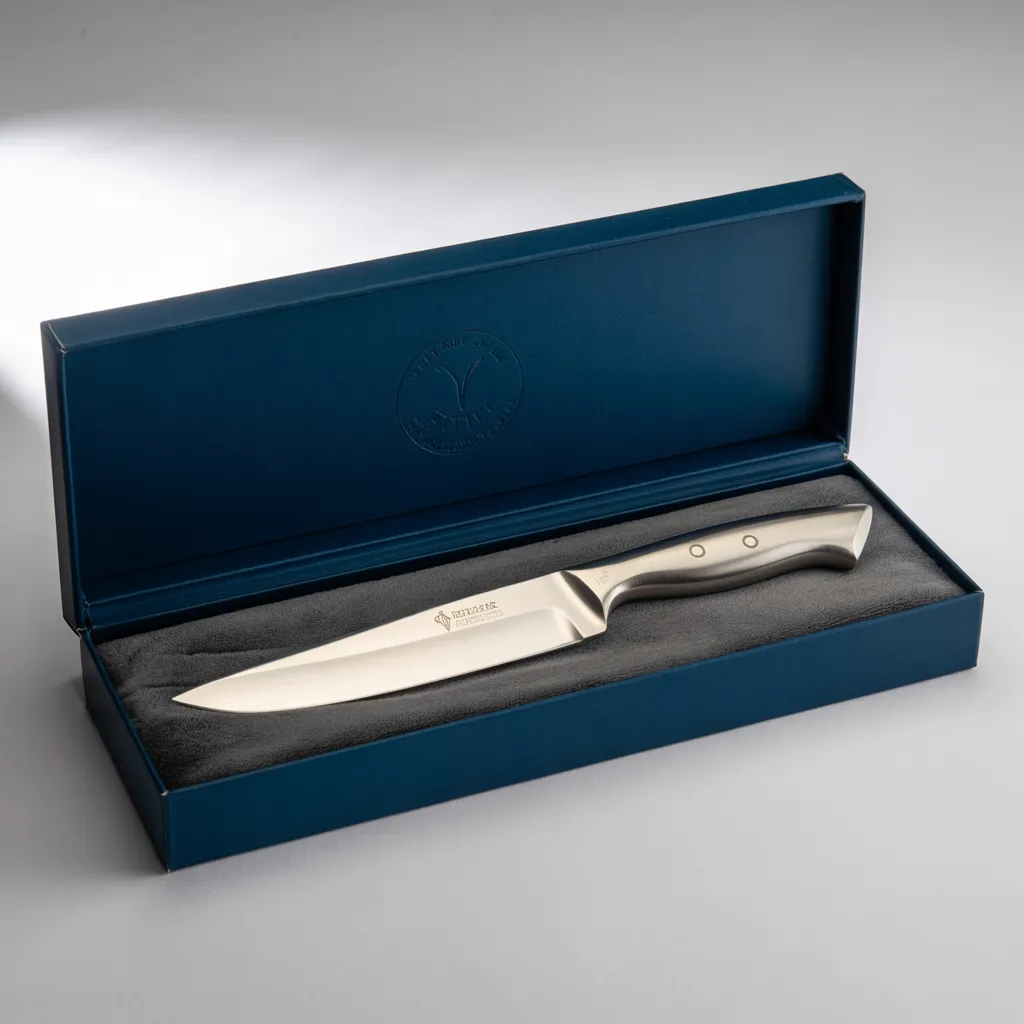
Factors Why a Well-Made Filleting Knife Makes an Impact
A excellent fish knife can greatly enhance the process of processing fish. see the full story The precision and sharpness of a expertly made knife facilitate smooth, easy cuts, limiting the risk of damaging the fragile flesh. This productivity not only lessens time but also produces a more aesthetically pleasing presentation, whether for a simple meal or an intricate dish.
Furthermore, a quality filleting knife provides better control, enabling the user to move around bones and skin with ease. This control is crucial for both novice cooks and seasoned chefs, ensuring that each fillet is cut perfectly. Additionally, the right filleting knife can minimize the physical strain on the user, rendering the process more enjoyable.
Getting a quality filleting knife finally improves the overall fish preparation activity, transforming what could be a cumbersome task into a delightful cooking endeavor.
Critical Components for Determining the Perfect Filleting Knife
Evaluating a filleting knife includes considering multiple important aspects. The material of the blade, the ergonomics of the handle, and the available length and flexibility possibilities substantially determine satisfaction and results. Learning about these factors can assist people in selecting wisely based on their unique needs.
Blade Material Plays a Key Role
Selecting the perfect fish filleting knife depends greatly on the blade material, which plays an essential role in functionality and longevity. Standard options include stainless steel, high-carbon steel, and ceramic. Stainless steel is popular for its corrosion resistance and ease of maintenance, making it ideal for regular application in wet environments. High-carbon steel, while demanding additional attention to prevent rust, offers superior sharpness and edge retention, appealing to those who value accuracy. Ceramic blades provide exceptional sharpness and are lightweight, but they can be brittle and more challenging to sharpen. Ultimately, understanding the characteristics of these materials helps consumers select a filleting knife that meets their specific needs, ensuring an efficient and enjoyable fish preparation experience.
Comfort plays the primary factor in handling your device
Although many elements influence the selection of a fish filleting knife, handle comfort stands out as an essential element. A thoughtful handle can significantly impact the filleting experience, allowing for better control and precision. User-friendly designs that fit the contours of the hand reduce strain during prolonged use, making it easier to execute delicate cuts. Materials such as rubber, wood, or textured plastics offer varying levels of grip and comfort. A secure hold prevents slipping, enhancing safety while working with sharp blades. Additionally, considering the handle size is important, as it should accommodate various hand sizes to guarantee peak performance. Ultimately, a comfortable handle can transform filleting from a chore into a more enjoyable and efficient task.
Flexibility and Length Options
A ergonomic handle forms the base for accurate filleting, but choices in blade flexibility and length are of equal importance when choosing the best knife. The flexibility of a filleting knife assists it in moving around bones and the contours of the fish, enhancing precision. A more flexible blade works best for fragile fish, while a stiffer blade works well with larger species. Length is another important factor; short blades offer better control for detailed work, and longer blades facilitate swift, long cuts. Typically, filleting knives range from 6 to 9 inches, catering to various fish sizes and filleting techniques. Ultimately, the perfect blend of flexibility and length enhances the filleting experience, providing both effectiveness and excellence in the final product.
Top Blade Options for Longevity and Performance
The best fish fillet knives often showcase blades made from certain materials that increase both longevity and efficiency. High-carbon stainless steel is a common choice, appreciated for its combination of hardness and rust resistance. This material keeps a sharp edge while handling the rigors of frequent employment in both fresh and saltwater environments.
Another notable option is ceramic, which provides exceptional sharpness and retains its edge longer than steel. However, ceramic blades can be more brittle, making them less appropriate for heavy-duty tasks.
Titanium-coated stainless steel is also rising in demand, presenting greater resistance to wear and corrosion while sustaining the light weight nature of traditional stainless steel.
Ultimately, the decision regarding blade material substantially influences the knife's lifespan and efficiency, making it crucial for anglers to pick the right type suited for their particular filleting requirements.
Opting for Agreeable Grips on Fillet Knives
What role does the handle of a filleting knife have in the overall satisfaction of fishermen? The grip serves an important function for delivering comfort and command during the filleting process. A well-crafted handle provides a tight hold, lowering the chance of slipping, especially when the knife becomes moist. Materials like elastomer, wood, or engineered composites can elevate comfort, featuring ergonomic shapes that align with the natural curves of your hand.
Anglers should inspect the heaviness and proportion of the knife; a featherweight handle can reduce weariness during prolonged use. Textured surfaces can also supply improved grip, while the handle's extent should accommodate various hand sizes. At last, a comfortable handle sharpens precision and makes the task more rewarding, allowing anglers to focus on the quality of their filleting rather than contending with an unsuitable knife. Committing time to selecting the right handle can markedly improve the overall filleting outcome.
Top 2026 Selections: Premium Fish Filleting Knives for Every Fishing Enthusiast
When selecting the ideal filleting knife, anglers can benefit from a variety of top-rated options available in 2026, each meeting different preferences and needs. Among the standout choices, the Rapala Classic Fillet Knife offers a supple blade that excels in precision, making it a favorite for both novices and seasoned fishers. For those seeking durability, the Bubba Blade series features a stainless steel construction and non-slip grip, ensuring safety and efficiency during use.
Furthermore, the Dexter-Russell Narrow Fillet Knife is noted for its superior edge retention and command, suited for sophisticated filleting tasks. Anglers looking for flexibility may prefer the Morakniv Fishing Knife, which integrates a robust design with a comfortable handle. Ultimately, these selections represent the best in 2026, providing anglers with dependable tools designed to improve their filleting experience.
Preserving Your Filleting Knife for Lasting performance
A filleting knife requires proper care that is indispensable for ensuring its performance level and extended life. Timely sharpening practices function to preserve the blade's sharpness, while correct storage practices protect it safe from damage. When combined, these practices greatly improve the tool's performance as time passes.
Conventional Sharpening Methods
Conversely, sharpening—can be done using whetstones or electric sharpeners and should be done regularly, based on usage frequency. It is imperative to maintain the correct angle while sharpening, typically around 15 to 20 degrees for filleting knives. Routine blade upkeep not only boosts cutting efficiency but also extends the knife's lifespan, making it a valuable investment for any angler.
Best Safekeeping Practices
Proper storage of a filleting knife greatly impacts its durability and working condition. Keeping the knife in a designated knife block or magnetic strip not only protects the blade from damage but also prevents accidental cuts. Using a protective sheath can be beneficial for safety, notably when storing knives in drawers. It is important to ensure the knife is dry and clean before storage to avoid rust and corrosion. For frequent users of their filleting knife, a dedicated drawer with dividers can maintain order while facilitating easy access. Regular monitoring of humidity in the storage area can improve the knife’s lifespan, helping it work well over time.
Economical and Top-Tier Filleting Knives
When assessing fish filleting knives, the decision between budget and premium options considerably impacts both functionality and user experience. Budget filleting knives often include simpler materials, causing less sharpness and durability. They may be suitable for occasional users or those new to filleting, as they offer basic functionality at an accessible price. However, the user may encounter limitations in accuracy and comfort.
On the other hand, premium filleting knives are manufactured from higher-quality materials, providing excellent edge stability and sharper blades. These knives are made for both expert chefs and serious enthusiasts, permitting for cleaner cuts and more efficient filleting. The anatomically designed handles often improve control and decrease fatigue during lengthy use. While the upfront cost is greater, the lasting advantages, such as durability and performance, can support the investment for committed cooks. Ultimately, the choice rests on the user's requirements, usage frequency, and financial limitations.
Frequently Requested Questions
Can I Use a Filleting Knife for Other Types of Meat?
A filleting knife can be applied to other types of meat, but its design is optimized for fish. Users may find it less efficient on harder cuts of meat, where sturdier knives are typically better suited.
How Often Should I Hone My Filleting Knife?
A fillet knife must be sharpened regularly, ideally after every few uses or whenever it feels dull. Good maintenance guarantees peak performance, facilitating precise cuts and an rewarding filleting experience. Consistency is important.
What Gauge Fish Knife Is Perfect for Starters?
For those just starting, a filleting knife of 7 to 9 inches represents the ideal choice. This dimension provides a equilibrium of bendiness and command, making it more convenient to handle fish without burdening the novice user.
Do You Consider Powered Filleting Knives Deserving of the Cost?
Electric fish filleting tools can be a smart investment for those desiring efficiency and ease. Their quick and uniform slicing improve the filleting activity, making them ideal for both novice and experienced fishers seeking meticulous cuts.
How Can I Discover Extra Blades for My Filleting Knife?
Fishing outlets, internet vendors, and official manufacturer websites stock replacement blades for filleting knives. To maintain peak performance during use, verify compatibility with the particular knife model.